M a r y k n o l l    O f f i c e   f o r    G l o b a l    C o n c e r n s

Home | Contact us | Search
Our Mission | MOGC Publications | Staff Members | Advisory Committees | Our Partners | Contact us
Africa | Asia | Middle East | Latin America | United Nations |
War is not the Answer | Arms Control/Proliferation | U.S. Military Programs/Policies | Security | Alternatives to Violence
Maryknoll Land Ethic Process | Climate Change | GMO's | Water | U.S. Energy Policy | Earth Charter |
Trade/Investment | Foreign Debt | Millennium Devel. Goals | Corporate Accountability | Int'l Financial Institutions | Work | Economic Alternatives
Indigenous Peoples | Migrants | Children | Women | People with HIV/AIDS
Educational Resources | Sample Letters | Contact Policymakers | Links | MOGC Publications |
Subscribe | Get a Free Copy | NewsNotes Archive

Latin America MapThe history of Maryknoll in Latin America is rich and deep. Our commitment to the promotion of social justice and peace in the region cost several of our missioners their lives during the years of oppression, including Father Bill Woods, MM in Guatemala (1976), Sisters Ita Ford, MM, Maura Clarke, MM and Carla Piete, MM in El Salvador in 1980. Some, like Father Miguel D’Escoto in Nicaragua, have served in very public roles in support of the poor

Asia MapAs Asia’s population approaches four billion, or more than half of the world’s population, the continent presents startling contrasts of wealth and poverty. While its governments range from the autocratic to the democratic, Asia has the potential for exponential economic growth and significant advances in science, health and technology. But the cost of development must take social justice and environmental values into account.

Africa mapOur concern for Africa is shaped by long term relationsips between Maryknoll missioners and the people of the Sudan, Kenya, Tanzania, Mozambique, Zimbabwe and Namibia. We honor their strength and wisdom and believe that African cultures and traditions often suggest solutions to seemingly intractable local and global problems.

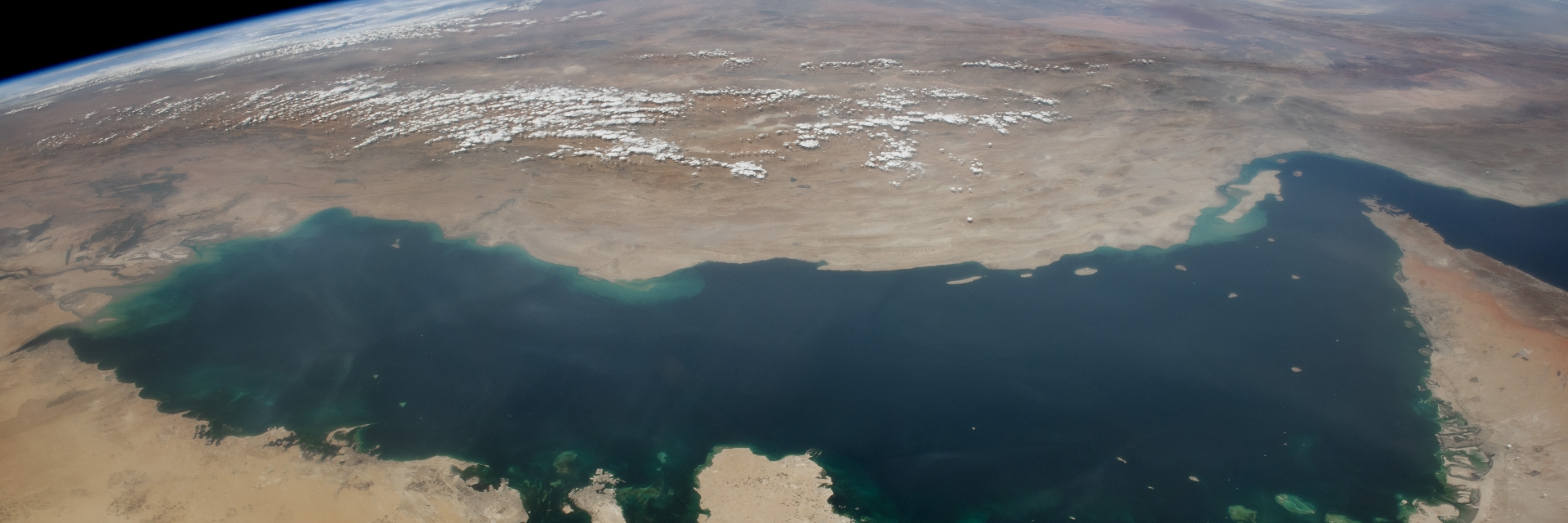
For many U.S. residents, the Middle East might conjure an image of a deeply religious yet extremely violent society, a region in which life and death – and martyrdom – take on new meaning. However, the reality is far more complex than the daily news headlines. U.S. foreign policy likewise takes a narrow view of the Middle East. People in the U.S. are presumed to have a stake in the region’s political future since its oil powers the U.S. economy.

About Us | Privacy Policy | Legal  |  Contact Us
© 2005 Maryknoll Office for Global Concerns